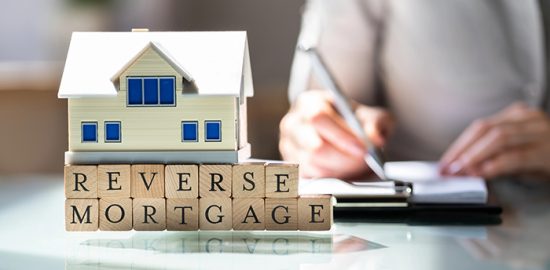




A reverse mortgage is a specialized home loan for older homeowners (typically aged 62 or older) that allows them to convert a portion of their home equity into cash without having to make monthly mortgage payments. The loan is repaid when the borrower dies, sells the house, or permanently moves out of the home.
How a Reverse Mortgage Works
Unlike a traditional “forward” mortgage where the borrower makes monthly payments to the lender and builds equity, with a reverse mortgage the lender pays the borrower, and the loan balance increases over time as interest and fees are added.
You retain ownership: You keep the title to your home and remain the legal owner, but the lender places a lien on the property as collateral.
No monthly payments: You are not required to make monthly principal or interest payments on the loan itself while you live in the home as your primary residence.
Ongoing obligations: You are still responsible for paying property taxes, homeowners insurance, and for maintaining the home in good condition. Failure to meet these obligations can lead to default and potentially foreclosure.
Loan becomes due: The loan must be repaid in full when a “trigger event” occurs, such as the homeowner’s death, the sale of the home, or moving out for more than 12 consecutive months.
Non-recourse feature: Most reverse mortgages, especially the common HECMs, are “non-recourse” loans. This means that the amount owed can never exceed the value of the home at the time of repayment, protecting the borrower’s heirs from owing more than the home is worth.